
15 Aviation Terms to Know Before Flight Attendant Training

If you want to become a flight attendant, you will quickly discover that airline employees have their own vocabulary. Learning some common aviation terms before training can make your first days feel less overwhelming. You will recognize words used for parts of the airplane, safety procedures, crew schedules, and everyday work. More importantly, you can spend less time wondering what a word means and more time understanding what you are being taught. Here you will learn 15 aviation terms that can give you a useful head start before flight attendant training.

Learn These 15 Aviation Terms Before Flight Attendant Training

1. Galley

The galley is the kitchen area of an airplane. It is where flight attendants prepare drinks, organize food, store service supplies, and get carts ready for cabin service. Your training may teach you how to work safely and efficiently in this small space.

The galley may look simple when you are a passenger, but flight attendants need to know where things belong and how to work around other crew members. Knowing the word before training gives you one less basic term to learn when you arrive.

2. Jumpseat

A jumpseat is a collapsible seat used by a flight attendant or another authorized person. Flight attendants use assigned seats and restraint systems during important parts of a flight, including takeoff and landing. FAA training materials also include checking the flight attendant jumpseat and its restraint system among preflight duties.

When you hear “jumpseat” during training, remember that this is more than a place to sit. It is part of the flight attendant’s working environment and safety responsibilities.

3. PAX

PAX is a common abbreviation for passengers. You may see or hear it when airline employees discuss the people traveling on a flight. Your study materials, for example, use PAX when defining the cabin, aircraft load, and other airline terms.

This is an easy term to learn ahead of time. When an instructor uses “PAX” during a lesson, you will immediately understand who they are talking about instead of stopping to figure out the abbreviation.

4. Cross-Check

A cross-check is a safety verification performed by cabin crew members. Your source material describes cross-checking as checking that an assigned aircraft door has been properly armed for departure or disarmed after arriving at the gate.

This is a good example of why airline vocabulary matters. Some terms refer directly to procedures that help keep passengers and crew safe. During professional training, you can learn not only what these words mean, but also the procedures and responsibilities connected to them.

5. Arm And Disarm

“Arm” and “disarm” are important terms connected to an aircraft’s emergency evacuation slides. Arming prepares the slide system for emergency use. Disarming returns it to its normal non-emergency state when appropriate.

You do not need to teach yourself how to operate an aircraft door before training. In fact, procedures can vary by airline and aircraft. Your goal right now is simply to recognize the language. Professional training is where terminology becomes connected to the correct procedures and hands-on responsibilities.

6. Demo

“Demo” is short for the passenger safety demonstration. Your materials describe demo equipment as items such as an oxygen mask, seat belt, life vest, and safety information card used during a passenger safety demonstration.

The safety demonstration is an important part of a flight attendant’s responsibilities. FAA guidance says passengers should pay attention to the safety briefing because it provides important information about emergency procedures and equipment. When preparing for training, remember that the job has a strong safety focus.

7. Flight Deck

The flight deck is the area where the pilots operate the airplane. You may also hear it called the cockpit, but “flight deck” is a common industry term.

Flight attendants and pilots have different responsibilities, but communication between the cabin and flight deck is important. FAA guidance explains that preflight briefings help crews share information and establish a common understanding before a flight. Learning basic aviation vocabulary can make that type of communication easier to understand during training.

8. Crew Briefing

A crew briefing is a meeting held before a duty period and when certain crew or aircraft changes occur. During a briefing, crew members may discuss information they need for the flight.

The FAA describes the preflight briefing as an important part of good coordination between flight attendants and the flight crew. Topics can include weather, passenger information, security concerns, maintenance issues, and communication procedures. As a future flight attendant, getting comfortable listening carefully and sharing information clearly can help prepare you for this teamwork.

9. Deadhead

Deadheading means a flight attendant travels from one location to another at the direction of the airline, such as traveling to perform a later assignment or returning from duty. In this situation, the crew member is traveling rather than working that particular flight as an operating flight attendant.

You may hear this term when learning about airline schedules. Understanding it ahead of time can make conversations about trips and assignments much easier to follow.

10. Base

A base is the city designated by an airline where crew members begin and end their trips. You may also hear the term “domicile” used for the city where flight attendants and pilots are based.

Your base can become an important part of your working life because your assigned trips generally connect back to it. When researching a flight attendant career, learning how bases work can help you better understand scheduling, commuting, and where your job may require you to report.

11. Bidding

Bidding is the process flight attendants use to request scheduling preferences. Depending on an airline’s system, bids may involve schedules, vacation time, aircraft positions, or base preferences, with seniority affecting how requests are awarded.

You do not need to understand every scheduling rule before training. Just knowing that “bidding” has a specific meaning in the airline world can help. Once you begin professional training and eventually work for an airline, you can learn the rules that apply to your employer.

12. Reserve

Being “on reserve” generally means a flight attendant must be available to cover an assignment when needed rather than having every trip known far in advance. Your provided material describes reserve flight attendants as being available to fill trips or rotations at the last minute.

Reserve can be an important part of understanding what the early stages of a flight attendant career may look like. It requires flexibility and preparation because your schedule may be less predictable than you are used to.

13. Leg Or Segment

A leg, sometimes called a segment, refers to one portion of a trip between two destinations. Your training material defines it as the flight between block out and block in at two destinations.

A workday can involve more than one leg, so this term comes up when people discuss flight schedules. When someone says a crew has another leg to work, they are talking about another flight segment rather than an entirely separate career assignment.

14. Layover

A layover is time spent in a city between duty days, usually overnight. For flight attendants, a layover is part of a work trip rather than simply vacation time in another city.

This is one of the more familiar aviation words, but it helps to understand it from a crew member’s point of view. Your schedule, rest, transportation, and next report time all matter. Learning about the daily realities of airline work can help you decide whether the career fits the lifestyle you want.

15. Pre-Flight Check

A pre-flight check is performed by flight attendants to make sure required emergency equipment and certain aircraft systems are ready and in proper condition. FAA reference materials include checking emergency equipment such as flight attendant restraints, oxygen equipment, fire extinguishers, and first aid supplies among flight attendant ground duties.

This term is a useful reminder of what being a flight attendant is really about. Passenger service matters, but safety is the main responsibility. The FAA says flight attendants receive initial training in areas including evacuations, firefighting, first aid, passenger safety, and cabin decompression.

How Can You Learn Aviation Terms Before Flight Attendant Training?

Start small. You do not need to memorize an entire aviation dictionary before your first day of training. Write these terms on flashcards or save them on your phone. Put the term on one side and explain it in your own words on the other. Review a few at a time until recognizing them feels natural.

Then focus on understanding rather than memorizing. Ask yourself where you might hear each term and why it matters. “Galley” describes part of the aircraft. “Deadhead” relates to crew travel. “Cross-check” connects to safety procedures. Grouping terms by how they are actually used can make them easier to remember.

Most importantly, do not try to teach yourself every airline procedure from online definitions. Terminology is only the starting point. Professional career training can give you structure, explain how these ideas fit together, and help you practice skills in an environment built around preparing for airline work.

Contact The Airline Academy

Knowing terms like galley, jumpseat, PAX, cross-check, deadhead, base, and pre-flight check can give you a useful head start. Still, knowing vocabulary is very different from knowing how to work as an airline professional. Flight attendants have real safety responsibilities, and professional preparation can help you understand what employers expect before you begin applying for jobs.

At The Airline Academy, we have helped prepare students for airline careers since 1972. We offer accelerated flight attendant and airline customer service training for adults who want a practical path into the industry. Our programs can be a good fit whether you are a recent high school graduate, college student, career changer, military veteran, or simply ready to pursue a travel-focused career. We also provide hands-on training, career placement support, and guidance through the airline hiring process.

You do not need to walk into training already knowing everything. That is what training is for. Building some basic knowledge now can help you arrive feeling more prepared and ready to learn.

Want to find out whether airline career training is right for you? Call us at 800-798-0202 to learn more about The Airline Academy and your next steps.
5 Customer Service Skills Every Airline Professional Needs

If you want to work in the airline industry, technical knowledge is only part of what you need. You may spend your day helping passengers check in, answering questions at a gate, working through a delay, or keeping travelers safe and comfortable in the cabin. In each case, how you treat and communicate with people matters. Here you will learn five customer service skills that can help you prepare for an airline career, along with practical ways to start building them. You will also learn why professional career training can help you practice these skills before you begin applying for airline jobs.

Take These 5 Steps If You Want to Build Strong Airline Customer Service Skills

Step #1: Strengthen Your Communication Skills

Clear communication is one of the most important skills you can bring to an airline job. The U.S. Bureau of Labor Statistics (BLS) specifically identifies communication as an important quality for flight attendants. Flight attendants need to speak clearly with passengers and crew members and write clearly when documenting issues that happen during a flight.

Communication starts with listening. When a passenger approaches you with a problem, avoid thinking about your answer before that person has finished explaining the situation. Listen closely, make sure you understand the problem, and then respond with clear information. If something is unclear, ask a simple question instead of making an assumption.

You also need to adjust the way you communicate. A nervous passenger may need reassurance and a calm explanation. Someone rushing to make a connection may want a short, direct answer. A passenger who does not speak English fluently may need you to slow down and choose simpler words. Your body language, facial expression, eye contact, and tone can also change how your message is received.

You can practice now by paying closer attention to everyday conversations. Work on explaining information in fewer words, listening without interrupting, and keeping your voice steady when someone is frustrated. Professional training can take this further by putting you in airline-related situations where you can practice communicating under pressure.

Step #2: Practice Empathy and Emotional Control

Air travel can be stressful. A passenger may be worried about missing a connection, upset about a delay, confused about a policy, or frustrated by a baggage problem. You cannot always give passengers the answer they want, but you can control how you respond.

That is where empathy and emotional intelligence become valuable. Try to understand why the passenger is upset without allowing that frustration to change your own behavior. Stay calm, listen carefully, acknowledge the concern, and focus on what you can do next.

This approach is especially useful when you are dealing with complaints. The BLS notes that customer service professionals need patience, listening skills, interpersonal skills, and problem-solving abilities. They must be able to professionally answer questions and help resolve complaints.

You can strengthen this skill by practicing your response to difficult situations before they happen. Imagine that a passenger has just learned a flight is delayed. How would you explain the situation? What could you say if the passenger became angry? What information would that person need next?

Role-playing situations like these can be especially useful because knowing what you should do is different from actually doing it while someone is upset. A professional airline training course can give you a more structured place to practice handling passenger interactions, receive feedback, and build confidence before you encounter similar situations at work.

Step #3: Become a Calm and Flexible Problem Solver

Few days in aviation go exactly as planned. Weather changes. Flights are delayed. Passengers miss connections. Bags may not arrive when expected. Schedules can change quickly. You may have several people asking for help at the same time.

Your job is not to panic along with everyone else. You need to understand the problem, decide what needs attention first, and work toward a practical solution.

For example, suppose a passenger approaches you after a flight cancellation. Start by listening and gathering the facts. Determine what options are available. Explain those options clearly instead of making promises you cannot keep. If the issue is outside your authority, know when to involve a supervisor or another department.

Flexibility matters here, too. BLS skills data identifies adaptability, customer service, and interpersonal skills among the top skills for reservation and transportation ticket agents and travel clerks.

One way to improve is to stop thinking of good customer service as simply being friendly. Good service often means remaining useful when a situation becomes difficult. Ask yourself, “What can I do right now to move this situation forward?”

Training can help you develop that habit. Working through realistic airline scenarios gives you a chance to make decisions, learn from mistakes, and become more comfortable when plans suddenly change.

Step #4: Learn to Work as Part of an Airline Team

Passengers may see the employee standing at the gate or serving them in the cabin, but airline operations depend on many people working together. Flight attendants, pilots, customer service agents, gate agents, dispatchers, ground crews, maintenance teams, and other employees all have responsibilities that can affect a trip.

That means you need to be good with coworkers as well as passengers. You should communicate respectfully, share important information, support teammates, and understand when another person or department needs to take over.

This is more than workplace courtesy. Communication and teamwork have a direct connection to aviation operations and safety. FAA guidance on crew coordination explains that effective communication is a prerequisite for good coordination and that understanding other crew members’ duties can help prevent miscommunication and unrealistic expectations.

You can begin building teamwork skills by becoming the person others can depend on. Arrive prepared. Follow through when you say you will do something. Ask for help when you need it, and offer help when you see a teammate struggling. Do not let a stressful situation turn into an argument over who is at fault. Focus on what the team needs to do next.

Professional training can also introduce you to the team-focused nature of aviation before your first airline job. That experience can help you understand that great customer service is rarely the work of one person.

Step #5: Complete Professional Airline Industry Training

You can practice communication, patience, teamwork, and problem-solving in many parts of your life. However, airline customer service has challenges that are difficult to fully understand until you have practiced them in an aviation setting.

That is one reason professional career training can be valuable. It gives you a structured way to connect your people skills with the situations, expectations, procedures, and professional standards you may encounter in the airline industry.

Training can also help turn general strengths into job-ready skills. Maybe you already enjoy helping people, but how confident are you when delivering important information to a group? You might consider yourself a strong problem solver, but can you remain calm when several passengers need answers at once? You may communicate well with friends and coworkers, but are you prepared to communicate professionally with passengers from many different backgrounds?

For prospective flight attendants, preparation is especially important because the job combines customer service with serious safety responsibilities. The FAA says a flight attendant’s main duty is keeping passengers safe, and airline-provided initial training covers subjects such as evacuations, firefighting, passenger safety, first aid, and cabin decompression. The BLS also explains that prospective flight attendants may enroll in flight attendant academies before airline hiring and training.

Career-focused education can therefore give you a stronger foundation. You can build confidence, become familiar with airline environments, practice professional behavior, and better understand what employers may expect from you.

Contact The Airline Academy

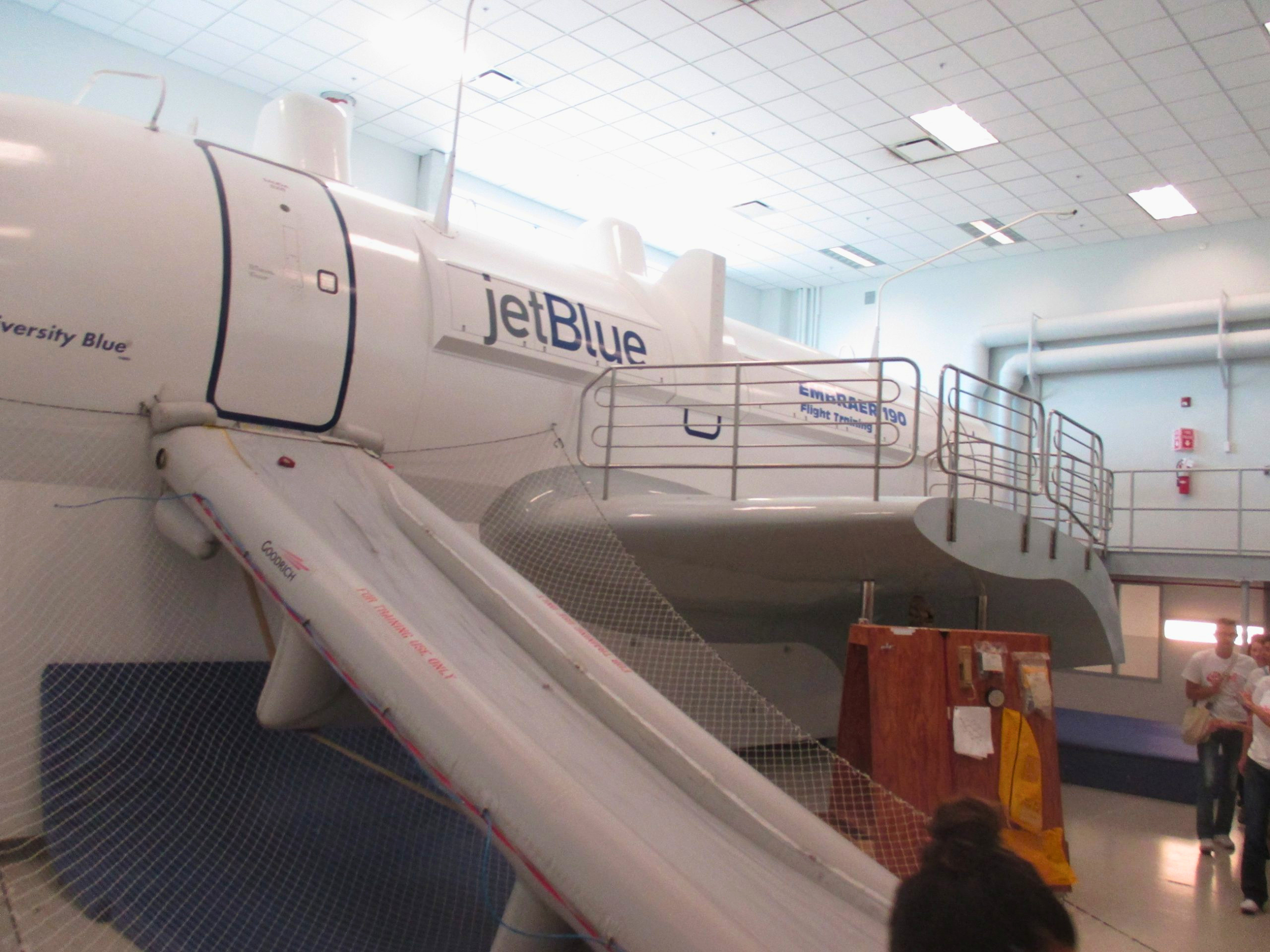
If you are serious about turning your interest in travel and helping people into an airline career, you do not have to prepare on your own. At The Airline Academy, we have prepared students for airline careers since 1972. Our programs are designed to help you develop practical skills while preparing for the hiring process. Our accelerated flight attendant program includes training at JetBlue University in Orlando, along with placement services, interview preparation, and resume building. Our airline operations and customer service training provides hands-on experience in an airport environment at Daytona Beach International Airport.

Whether you are finishing high school, attending college, leaving the military, changing careers, or simply ready to pursue a travel-focused profession, the right preparation can help you move forward with more confidence. Customer service skills improve through practice, feedback, and experience. We can help you build those skills while learning more about the airline industry and preparing for opportunities such as flight attendant, customer service agent, reservations agent, ticket agent, gate agent, and ramp agent.

Your future airline career can start with learning how to communicate clearly, stay calm, solve problems, support a team, and put passengers first. When you are ready to learn what professional airline career training could look like for you, contact us at 800-798-0202 to speak with an advisor and learn more about your options.

5 Steps to Prepare for Airline Flight Attendant Training

5 Steps to Prepare for Airline Flight Attendant Training

If you dream of becoming a flight attendant or working in airline customer service, airline safety training is one of the most important parts of your journey. While many people picture travel and meeting new people, the airline industry is built on safety first. Airlines look for people who can stay calm, communicate clearly, and make smart decisions under pressure. The good news is that you can begin preparing long before your first day of training. Here, you will learn five practical steps that can help you build confidence, develop the right mindset, and get ready for the safety responsibilities that come with a career in aviation.

Step 1: Learn Why Safety Always Comes First

The first step is understanding that airline safety is much more than following a checklist. Every airline employee, from flight attendants to customer service agents, plays a role in helping passengers stay safe. While many people think flight attendants mainly serve food and drinks, their primary responsibility is passenger safety. They receive extensive training on emergency procedures, evacuations, first aid, fire response, and communication so they can react quickly when every second matters. The FAA regularly reminds travelers to pay close attention to flight attendants because they are trained to guide passengers during emergencies.

As you prepare for training, start looking at airline travel through a different lens. Instead of only noticing the customer service, pay attention to how flight attendants communicate with passengers, demonstrate safety equipment, and stay aware of everything happening around the cabin. These observations will help you understand that professionalism and safety go hand in hand.

You should also remember that airlines are looking for people who take responsibility seriously. Safety procedures exist because they have been developed and improved over many years. When you begin training with the attitude that safety is always your highest priority, you will build habits that can help you succeed throughout your career.

Step 2: Build Strong Communication And Teamwork Skills

Airline safety depends on teamwork. Pilots, flight attendants, gate agents, and customer service employees all work together to solve problems and keep flights operating safely. During training, you will be expected to communicate clearly, listen carefully, and follow directions without confusion.

You can begin practicing these skills in your everyday life. Focus on listening without interrupting, speaking clearly, and staying calm during stressful situations. If you work in retail, hospitality, healthcare, restaurants, or customer service, you already have opportunities to practice handling difficult situations professionally.

It is also helpful to become comfortable working with different types of people. Airlines serve passengers from many backgrounds, cultures, and countries every day. Being patient, respectful, and adaptable makes you a stronger teammate and helps create a better experience for everyone.

Safety also depends on communication between flight crews and cabin crews during both normal and emergency situations. Aviation guidance continues to emphasize crew coordination and standard communication because clear communication helps prevent mistakes and improves passenger safety.

Step 3: Prepare Yourself To Stay Calm Under Pressure

Many parts of airline safety training involve learning how to respond during unexpected situations. While emergencies are rare, airlines prepare employees to respond confidently if one occurs. This is why training often includes emergency procedures, evacuations, medical situations, fire response, and other safety scenarios.

The goal is not to make you afraid. Instead, training helps you replace panic with preparation. People who stay calm usually make better decisions, remember procedures more clearly, and communicate more effectively.

You can begin developing this mindset before training starts. Practice slowing down before reacting to stressful situations. Focus on solving problems one step at a time instead of becoming overwhelmed. Activities that improve concentration, such as reading instructions carefully, practicing public speaking, or learning new skills, can also help you become more confident under pressure.

Professional training programs use structured learning because repeating procedures helps build confidence and prepares students to respond more naturally during real situations. Aviation organizations continue to encourage realistic, hands-on training because practicing emergency procedures helps people remember what to do when quick action matters most.

Step 4: Study Basic Aviation Knowledge Before Training Begins

You do not need to become an aviation expert before starting your career, but learning some basic industry knowledge can give you a head start. Becoming familiar with common airline terms, airport operations, and aviation vocabulary can make your first days of training feel less overwhelming.

You can also learn about the responsibilities of flight attendants and airline customer service professionals. Understanding the purpose behind safety demonstrations, boarding procedures, and communication with passengers will help you connect new information more easily during training.

It is also useful to understand why passengers are asked to follow safety instructions. For example, flight attendants remind passengers to fasten seat belts, keep exits clear, and listen to safety briefings because these actions can make a real difference during an emergency. The FAA also reminds passengers to leave carry-on bags behind during evacuations because stopping to grab belongings can slow everyone else from exiting safely and increase the risk of injuries.

The more familiar you become with aviation concepts before training begins, the more confident you may feel when instructors introduce new material. Instead of trying to memorize everything at once, focus on understanding how different parts of airline operations work together to keep passengers safe.

Step 5: Enroll In A Professional Airline Training Program

One of the smartest ways to prepare for airline safety training is to learn from experienced professionals who understand what today’s airlines expect from new hires. While reading articles and watching videos can help you learn basic information, nothing replaces structured instruction, hands-on practice, and guidance from people who know the industry.

Professional training helps you develop knowledge in a logical order while giving you opportunities to practice important skills before applying for airline jobs. You also receive valuable feedback that can help improve your confidence, communication, and professionalism.

Another major advantage is preparing for the hiring process itself. Many people feel nervous about airline interviews because they are unsure what recruiters expect. A quality training program can help you build a stronger resume, improve your interview skills, and better understand the qualities airlines are looking for in new employees.

Perhaps most importantly, professional instruction allows you to learn in an environment where questions are encouraged. Instead of trying to figure everything out on your own, you have experienced instructors who can explain procedures, answer questions, and help you build confidence every step of the way.

Contact The Airline Academy

Preparing for airline safety training is really about preparing yourself for a successful career built on professionalism, confidence, and responsibility. By learning why safety comes first, improving your communication skills, practicing calm decision-making, studying basic aviation knowledge, and choosing professional training, you can begin your journey with a strong foundation. Since opening in 1972, we have prepared airline professionals as pilots, flight attendants, and Customer Service Agents. Our experienced team works with students who are ready to build rewarding careers in aviation and provides guidance throughout the hiring process. If you are ready to take the next step toward working in the airline industry, contact us today by calling 800-798-0202 to learn more about our training programs and discover how we can help you build confidence in your future.