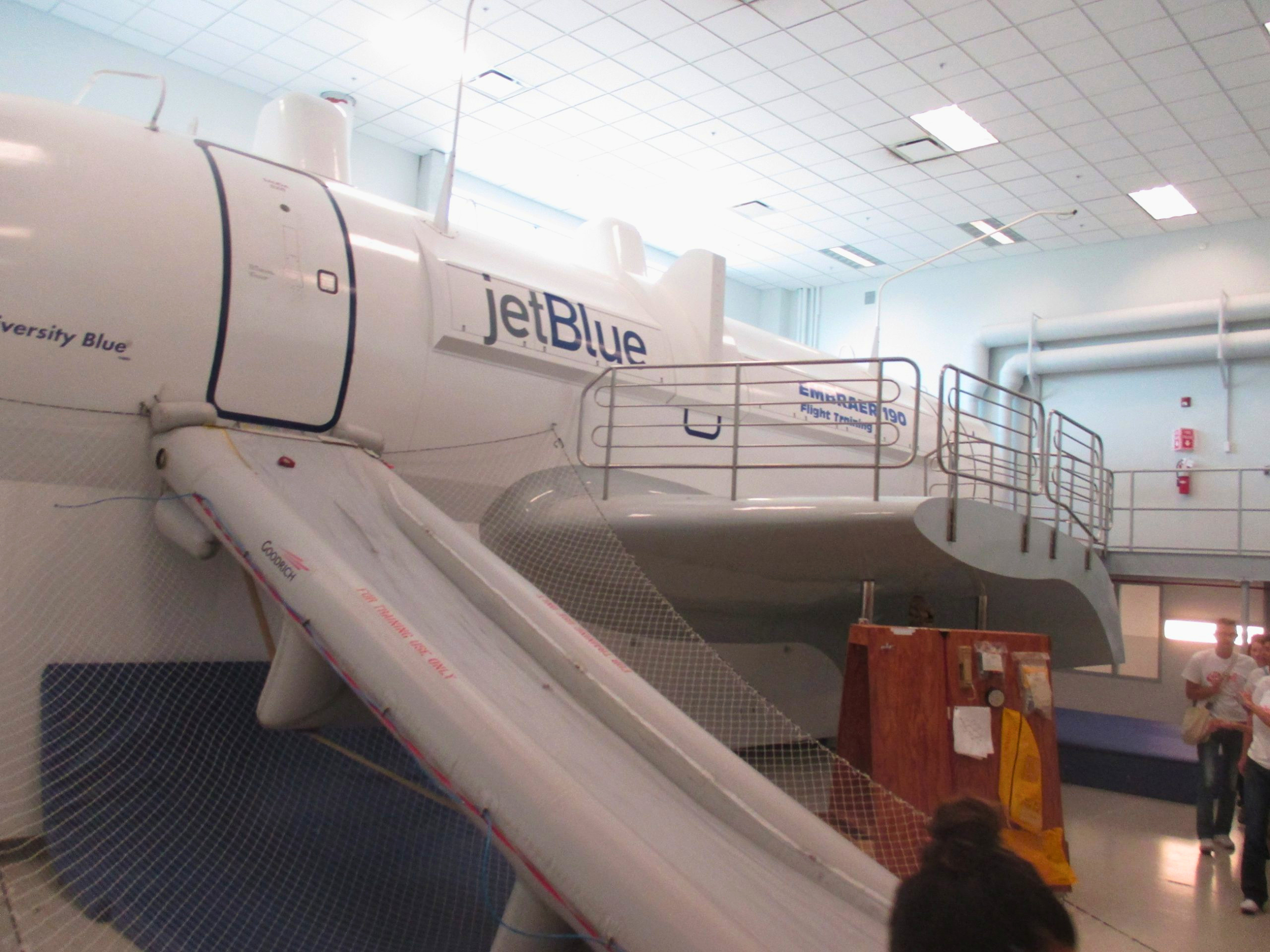
5 Steps to Prepare for Airline Flight Attendant Training
If you dream of becoming a flight attendant or working in airline customer service, airline safety training is one of the most important parts of your journey. While many people picture travel and meeting new people, the airline industry is built on safety first. Airlines look for people who can stay calm, communicate clearly, and make smart decisions under pressure. The good news is that you can begin preparing long before your first day of training. Here, you will learn five practical steps that can help you build confidence, develop the right mindset, and get ready for the safety responsibilities that come with a career in aviation.
Step 1: Learn Why Safety Always Comes First
The first step is understanding that airline safety is much more than following a checklist. Every airline employee, from flight attendants to customer service agents, plays a role in helping passengers stay safe. While many people think flight attendants mainly serve food and drinks, their primary responsibility is passenger safety. They receive extensive training on emergency procedures, evacuations, first aid, fire response, and communication so they can react quickly when every second matters. The FAA regularly reminds travelers to pay close attention to flight attendants because they are trained to guide passengers during emergencies.
As you prepare for training, start looking at airline travel through a different lens. Instead of only noticing the customer service, pay attention to how flight attendants communicate with passengers, demonstrate safety equipment, and stay aware of everything happening around the cabin. These observations will help you understand that professionalism and safety go hand in hand.
You should also remember that airlines are looking for people who take responsibility seriously. Safety procedures exist because they have been developed and improved over many years. When you begin training with the attitude that safety is always your highest priority, you will build habits that can help you succeed throughout your career.
Step 2: Build Strong Communication And Teamwork Skills
Airline safety depends on teamwork. Pilots, flight attendants, gate agents, and customer service employees all work together to solve problems and keep flights operating safely. During training, you will be expected to communicate clearly, listen carefully, and follow directions without confusion.
You can begin practicing these skills in your everyday life. Focus on listening without interrupting, speaking clearly, and staying calm during stressful situations. If you work in retail, hospitality, healthcare, restaurants, or customer service, you already have opportunities to practice handling difficult situations professionally.
It is also helpful to become comfortable working with different types of people. Airlines serve passengers from many backgrounds, cultures, and countries every day. Being patient, respectful, and adaptable makes you a stronger teammate and helps create a better experience for everyone.
Safety also depends on communication between flight crews and cabin crews during both normal and emergency situations. Aviation guidance continues to emphasize crew coordination and standard communication because clear communication helps prevent mistakes and improves passenger safety.
Step 3: Prepare Yourself To Stay Calm Under Pressure
Many parts of airline safety training involve learning how to respond during unexpected situations. While emergencies are rare, airlines prepare employees to respond confidently if one occurs. This is why training often includes emergency procedures, evacuations, medical situations, fire response, and other safety scenarios.
The goal is not to make you afraid. Instead, training helps you replace panic with preparation. People who stay calm usually make better decisions, remember procedures more clearly, and communicate more effectively.
You can begin developing this mindset before training starts. Practice slowing down before reacting to stressful situations. Focus on solving problems one step at a time instead of becoming overwhelmed. Activities that improve concentration, such as reading instructions carefully, practicing public speaking, or learning new skills, can also help you become more confident under pressure.
Professional training programs use structured learning because repeating procedures helps build confidence and prepares students to respond more naturally during real situations. Aviation organizations continue to encourage realistic, hands-on training because practicing emergency procedures helps people remember what to do when quick action matters most.
Step 4: Study Basic Aviation Knowledge Before Training Begins
You do not need to become an aviation expert before starting your career, but learning some basic industry knowledge can give you a head start. Becoming familiar with common airline terms, airport operations, and aviation vocabulary can make your first days of training feel less overwhelming.
You can also learn about the responsibilities of flight attendants and airline customer service professionals. Understanding the purpose behind safety demonstrations, boarding procedures, and communication with passengers will help you connect new information more easily during training.
It is also useful to understand why passengers are asked to follow safety instructions. For example, flight attendants remind passengers to fasten seat belts, keep exits clear, and listen to safety briefings because these actions can make a real difference during an emergency. The FAA also reminds passengers to leave carry-on bags behind during evacuations because stopping to grab belongings can slow everyone else from exiting safely and increase the risk of injuries.
The more familiar you become with aviation concepts before training begins, the more confident you may feel when instructors introduce new material. Instead of trying to memorize everything at once, focus on understanding how different parts of airline operations work together to keep passengers safe.
Step 5: Enroll In A Professional Airline Training Program
One of the smartest ways to prepare for airline safety training is to learn from experienced professionals who understand what today’s airlines expect from new hires. While reading articles and watching videos can help you learn basic information, nothing replaces structured instruction, hands-on practice, and guidance from people who know the industry.
Professional training helps you develop knowledge in a logical order while giving you opportunities to practice important skills before applying for airline jobs. You also receive valuable feedback that can help improve your confidence, communication, and professionalism.
Another major advantage is preparing for the hiring process itself. Many people feel nervous about airline interviews because they are unsure what recruiters expect. A quality training program can help you build a stronger resume, improve your interview skills, and better understand the qualities airlines are looking for in new employees.
Perhaps most importantly, professional instruction allows you to learn in an environment where questions are encouraged. Instead of trying to figure everything out on your own, you have experienced instructors who can explain procedures, answer questions, and help you build confidence every step of the way.
Contact The Airline Academy
Preparing for airline safety training is really about preparing yourself for a successful career built on professionalism, confidence, and responsibility. By learning why safety comes first, improving your communication skills, practicing calm decision-making, studying basic aviation knowledge, and choosing professional training, you can begin your journey with a strong foundation. Since opening in 1972, we have prepared airline professionals as pilots, flight attendants, and Customer Service Agents. Our experienced team works with students who are ready to build rewarding careers in aviation and provides guidance throughout the hiring process. If you are ready to take the next step toward working in the airline industry, contact us today by calling 800-798-0202 to learn more about our training programs and discover how we can help you build confidence in your future.